Polyaspartic Floor Coating Services for Your Garage
Request an estimate and compare quotes
Polyaspartic is a tough, fast-curing coating that providers apply to garage and concrete floors. It goes on thin, dries quickly and resists sunlight, so it often keeps its color where some coatings fade. Many homeowners choose it when they want the space back sooner.
Thoughtreligion Floor Coating is a referral service. We connect you with independent local providers in our network, and they do the work. Our part is simple. We help you ask good questions, see what drives the cost, and get a written quote you can compare. Take your time. A calm, clear plan makes the whole project easier for homeowners across the Beverly area.
Need Your Garage Back Quickly?
Maybe your garage is torn up. Maybe a family event is coming. Polyaspartic is often the coating people ask about first, because many systems cure faster than standard epoxy. That can mean fewer days without your space. Still, timelines depend on the product, the weather and the slab. Ask the provider for the schedule in writing.
What Polyaspartic Actually Is
Polyaspartic is a type of polyurea coating. It goes on thin, flows out smooth and hardens fast. Some providers use it as a clear or tinted topcoat. Others use it for the whole floor. It handles sunlight well, so it tends not to turn yellow in a bright garage.
How It Differs From Epoxy
Epoxy is thicker and slower. It fills small flaws and grips concrete firmly. Polyaspartic is thinner, quicker and a bit more flexible, so it copes with temperature swings. Neither is magic. Each has a job. Many homeowners end up with epoxy garage floors that get a polyaspartic finish on top.
Full Polyaspartic or a Hybrid System?
A full system uses polyaspartic for the base coat and the top coat. It can shorten the job, though it may cost more per square foot. A hybrid uses epoxy first and polyaspartic last. Many people like the balance of price and wear. Ask the provider why they picked one for your floor. A good answer talks about your slab, not just a sales pitch.
What the Work Looks Like
First, the provider usually grinds the concrete. That opens the surface so the coating can grip. Cracks and joints get filled. Next come the base coat, color flakes if you want them, and a clear topcoat. Each layer cures quickly, so steps can follow one another in a short window. A careful provider also checks the slab for moisture before anything goes down.
Where Polyaspartic Works Well
Attached garages are the classic spot. It also suits workshops, porches, patios, entryways and some basements. In older homes with block or stone foundations, basement slabs can hold moisture, so ask for a moisture test first. Shared garages in multi-family buildings like the shorter downtime. Some providers in our network also handle hardwood flooring installation and other interior floors, so mention anything else you are planning.
Cold Weather, Snowmelt and Timing
Cold winters are hard on garage floors. Road salt, snowmelt and repeated cold-and-thaw cycles all wear on concrete. Polyaspartic can cure in cooler air than many coatings, which helps in spring and fall. Even so, the slab must be dry and within the product's temperature range. Coastal storms and snowmelt can bring damp days. Ask what temperature and humidity the provider needs, and what happens if the weather turns.
Picking Colors and Flake Blends
Flakes hide dirt, small scuffs and tire marks. A full scatter gives a speckled look. A light scatter shows more of the base color. Gray, tan and charcoal blends stay popular. Ask to see a sample in your own garage light, since colors change indoors. Custom floor finishes, like metallic looks or a border, may add to the price. Ask about a little grit for traction when boots are wet.
What Drives the Price
Square footage is the start. After that, prep work matters most. Old paint, oil stains and cracks mean more grinding and repair. The number of coats, flake coverage and system type change the total too. Tight access can add time. The table on this page shows typical U.S. ranges, and your quote may differ. Quote in writing, with each item listed. Price with no mystery.
Caring for a Polyaspartic Floor
Upkeep is simple. Sweep or dust mop often. Wash with mild soap and a soft mop. Wipe spills when you see them. In winter, rinse off road salt and slush. Use pads under jack stands and avoid dragging heavy items. Ask the provider how long to wait before parking on the floor.
If you want to talk through timing, Request a callback to check provider availability in your area.
Questions to Ask the Installer
Ask before you commit. A good answer is specific and calm. Try these:
- How will you prep the slab, and will you grind it?
- Do you test for moisture first?
- Which product will you use, and how many coats?
- Who does the work: your own crew or subcontractors?
- Are you licensed and insured where that is required?
- What does your written warranty cover?
- How long before I can walk and park on it?
Red Flags to Notice
Be careful if a quote is vague or lists only one price. Be wary if the provider skips talk of prep, will not name the product, or asks for a large cash deposit. Pressure to sign today is a signal to slow down. You are allowed to compare quotes.
What's Included
Surface Prep
Grinding, crack filling and moisture checks so the coating can grip your concrete properly.
Base and Color
A base coat in your chosen color, with optional flakes for texture and a speckled look.
Clear UV-Stable Topcoat
A fast-curing polyaspartic finish that resists sunlight, scuffs and winter salt better than many coatings.
Written Quote
A line-by-line price you can compare, with the product and schedule listed.
Typical Polyaspartic Floor Coating Costs
These are typical U.S. ranges. Your price depends on floor condition, size, system and local rates. Treat them as a starting point, then ask each provider for a written quote that lists every item.
| Item | Typical range | Notes |
|---|---|---|
| Polyaspartic topcoat over a prepared floor | $4 – $8 per sq ft | Clear or tinted finish layer |
| Full polyaspartic system | $6 – $12 per sq ft | Base and top coat, often faster to finish |
| Epoxy base with polyaspartic top | $5 – $10 per sq ft | Popular balance of cost and wear |
| Concrete grinding and prep | $1 – $3 per sq ft | Higher for old paint or stains |
| Crack and joint repair | $150 – $800 | Depends on how many and how wide |
| Typical two-car garage, finished | $2,500 – $6,500 | About 400 to 600 sq ft |
How It Works
Request an Estimate
Tell us about your floor, its size and what you hope to change.
Get Matched Locally
A provider in our network reaches out to discuss your garage and timing.
Review the Written Quote
Check the prep, product, coats and schedule, and compare it with other quotes.
Schedule With the Provider
If you like the plan, you set the date directly with the provider.
Why Call Thoughtreligion Floor Coating
Price Explained Plainly
We show what drives cost, so a written quote makes sense before you agree to anything.
Independent Providers
Local providers in our network do the work, and you choose who to hire.
Better Questions
Know what to ask and what a solid answer sounds like before you commit.
No Pressure
Request an estimate, compare, and decide on your own schedule with no obligation.
Other Services
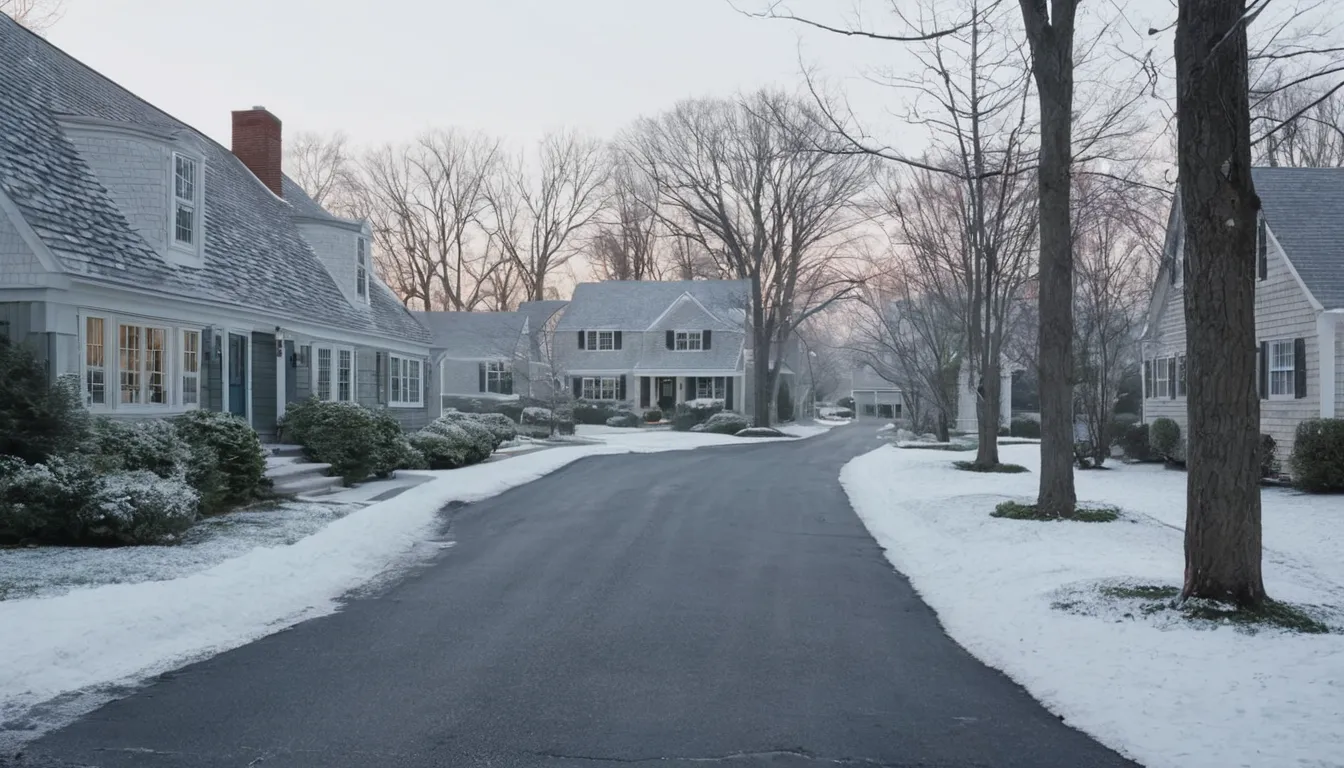
Need polyaspartic floor coating services in Beverly?
Request an estimate and a local provider in our network will follow up. Prefer to talk it through? Request a callback to check provider availability.
No obligationPolyaspartic Floor Coating Services FAQ
How long does polyaspartic take to cure?
Many polyaspartic systems cure faster than epoxy, often allowing light foot traffic soon after the final coat. Full cure time before parking varies by product, temperature and humidity, so ask the provider for a written timeline.
Is polyaspartic better than epoxy for a garage?
Neither is right for every floor. Polyaspartic cures faster and resists sunlight well, while epoxy fills flaws and often costs less. Many providers combine them. Ask which fits your slab.
How much does a polyaspartic garage floor cost?
Typical U.S. prices run about $4 to $12 per square foot, depending on prep and system. A two-car garage often lands between $2,500 and $6,500. Get a written quote to confirm.
Tell us what happened
Request an estimate and a local provider in our network will follow up. Prefer to talk it through? Request a callback to check provider availability.
No obligation